
Level-Up your MFA: Why SMS Codes Are No Longer Enough

For years, enabling Multi-Factor Authentication (MFA) has been a cornerstone of account and device security. While MFA remains essential, the threat landscape has evolved, making some older methods less effective. The most common form of MFA, four- or six-digit codes sent via SMS, is convenient and familiar, and it’s certainly better than relying on passwords […]
How to Spot Hidden Malware on Your Devices

Malware is a harmful software that can damage devices, steal data, and slow performance. It spreads through unsafe downloads, phishing emails, and malicious websites. Signs include sluggish performance, pop-ups, and high data usage. Protect yourself by using antivirus software, updating software, avoiding suspicious links, and practicing good cybersecurity habits.
Navigating CAN/CIOSC Security Compliance

CAN/CIOSC 104:2021 is a Canadian national standard outlining baseline cybersecurity controls for small and medium-sized organizations. It provides a tiered approach (Levels 1 and 2) to implementing these controls, progressing from basic security practices to more advanced measures.
6 Simple Steps to Enhance Your Email Security
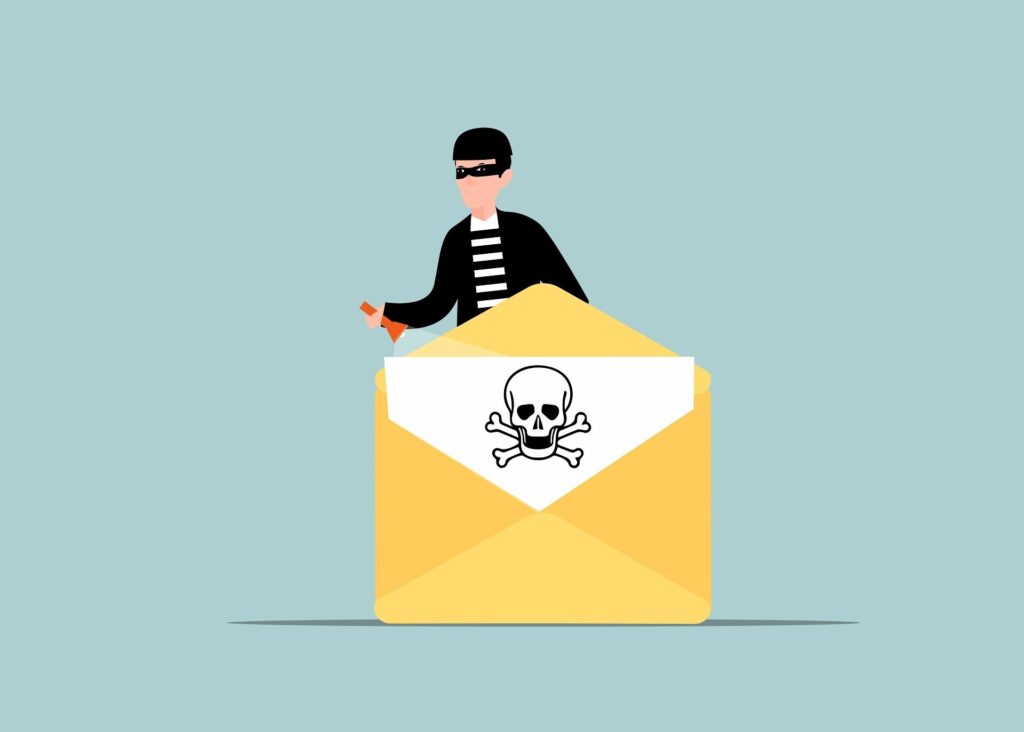
Email is a fundamental communication tool for businesses and individuals alike. But it’s also a prime target for cybercriminals. Cyberattacks are increasing in sophistication. This means enhancing your email security has never been more critical. Ninety-five percent of IT leaders say cyberattacks have become most sophisticated. Over half (51%) have already seen AI-powered attacks in […]
Remote Work, Real Risks: A Guide to Keeping Your Team Secure

Learn practical cybersecurity strategies to keep your remote team secure, including network protection, safe browsing habits, and training. Overcome the increased risks remote work presents and safeguard your business.
Phishing 2.0: How AI is Amplifying the Danger and What You Can Do
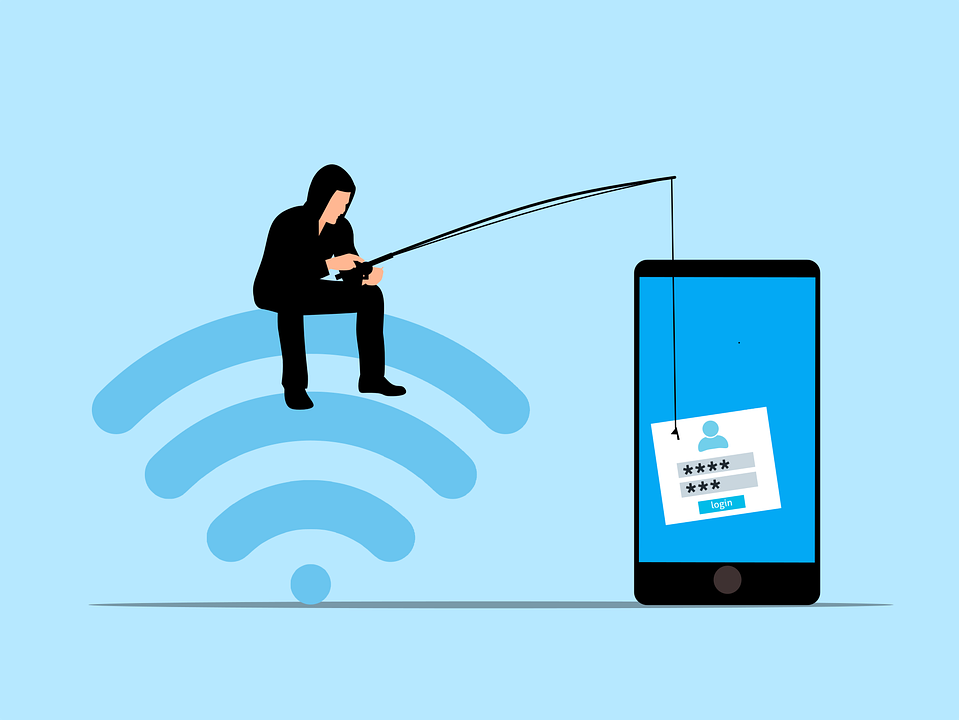
AI-driven phishing, or “Phishing 2.0,” uses realistic, personalized messages and automation to increase success rates. Traditional detection methods struggle, making it harder to protect against these sophisticated and dangerous attacks.